How Stair and Railing Design Has Evolved Over Time: From Ancient Stairs to Modern Interior Stair Railings
- Classic Railings Ltd.

- Mar 6
- 2 min read
Updated: Mar 7

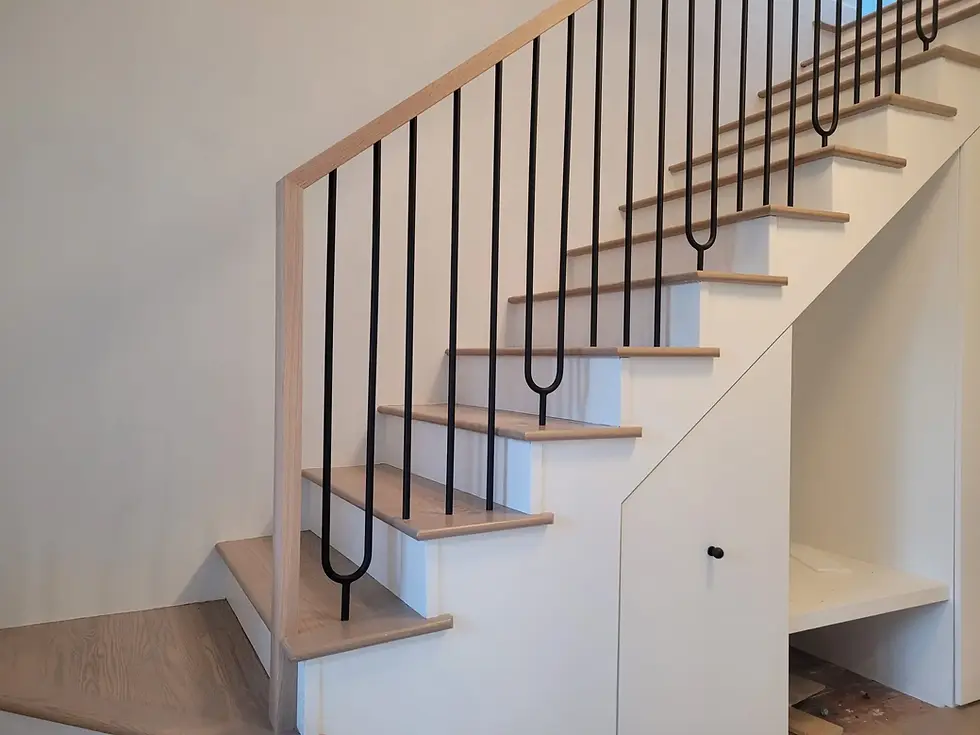
Stair and railing designs has shifted from survival-focused utility to grand status symbols, and finally into today’s clean, safety-driven modern stair railing systems. From stone steps and ornate metalwork to glass stair railings and minimalist stair railings, the evolution of interior staircase railings reflects changes in architecture, materials, and building safety.
The Historical Trajectory
Ancient Utility (6000 BCE – 1st Century BCE) : Early stairs were rudimentary, often made from mudbrick or stone to prevent flooding or keep out predators. In Egypt and Mesopotamia, they gained symbolic status as pathways to the heavens in pyramids and ziggurats.

Medieval Defense & Renaissance Art (5th – 17th Century): Spiral staircases became standard in medieval castles for defensive reasons, built clockwise to disadvantage right-handed attackers. The Renaissance transformed them into “Staircases of Honour,” using grand sweeping curves and elaborate stone balustrades to project wealth, an early form of decorative interior stair railings.
Industrial Revolution (18th – 19th Century):The introduction of cast iron and steel allowed for mass-produced, intricate railing designs like Victorian scrollwork, laying the foundation for today’s metal stair railings and steel stair railings.


Modern & Contemporary Shifts
Modernist Minimalism: 20th-century designers like Frank Lloyd Wright prioritized openness and light, replacing heavy ornamentation with steel and glass. This led to iconic “floating” or cantilevered stairs that emphasize spatial flow, an influence still seen in modern interior stair railing design.
Material Innovation: Railings have evolved from solid barriers to transparent systems using tempered glass and cable rail, offering safety without obstructing views. This shift helped popularize interior glass railings, glass railing installation, and today’s sleek frameless glass railings.

Smart Technology & Sustainability: Current trends include integrating plants and stairs with motion-sensor LED lighting, supporting safer use and a clean, modern look—especially in open-concept interiors.

Safety Standards
Unlike ancient steep, uneven steps, modern stairs and interior railing installation are governed by strict building codes such as the BC Building Code and the National Building Code of Canada. These mandate specific railing heights, dimensions, baluster/spindle spacing, and stair riser height and tread depth requirements to help prevent accidents and improve everyday safety.
Learn more about our Services
View our Gallery
Ready to plan your railings ?